The phone rang early this morning as I was eating my breakfast and I knew from the well-worn old Bell Telephone ring that it was Uncle Slappy calling from Boca.
It was all Uncle Slappy and Aunt Sylvie could do NOT to fly up from Boca and take care of me during what is proving to be my long convalescence. The thing is, it's not good for old people to be around me. It's a good precaution to stay clear of the vestiges of whatever it is I was stricken with. Pneumonia. Some deleterious liver function that presented itself as some letter-version of Hepatitis.
And though Aunt Sylvie would revel in filling me with mushroom barley and Uncle Slappy would like nothing more than trying to teach me pinocle for the eighty-seventh time, discretion, of course, is the better part of valor, and so they, in the words of Yogi Berra, stood in bed, or at least stood in Boca.
"Boychick," the old man began, "Or shall I say Boy-sick. How this morning are your many woes?"
"I am feeling better, Uncle Slappy," I answered with only the thinnest of fibs. "I walked to Central Park yesterday, lifted some light weights and worked out for 20 minutes on the exercise bike in the gym downstairs."
"Ah," he answered as I knew he would, "you did the epileptical."
"Elliptical," I corrected, though I knew he knew he was just being funny.
"I am going to work today. I intend to 10-3-it all week and then next week, I am taking off in the Caribbean."
"Seeing a voodoo doctor, I assume," offered Uncle Slappy. "They're doing amazing things with frogs' tongues, chickens' eyes and roots these days."
I let that one go by and tried to change the subject.
"Guess what I've had for breakfast this past week," I asked him. "Yogurt," I answered.
"We start with baby-food, we end with baby-food," he said sagely. "It's like the riddle of the acidophilus Sphinx. You'll live longer if you learn to get along with it."
"I'm craving an H&H bagel like a crack whore. Toasted burnt and screw it, with heavy butter."
There was a long pause at the other end of the Ameche. I knew Uncle Slappy was plumbing the depths of his memory for some words of wisdom. He began.
"It's true for doughnuts, it's true for bagels, it's true for life. I want you should remember this: 'As you ramble through Life, Brother,/ Whatever be your goal./Keep your eye upon the doughnut,/And not upon the hole."
He hung up the phone with that.
And I finished my yogurt.
Cherry.
Monday, August 5, 2013


Saturday, August 3, 2013
Intimations in the Tempus Fugit.
While the rest of New York enjoyed cool, clear weather yesterday, my slim slice of the Upper East Side had a micro-climate all its own. You see these micro-climates out in Napa and Sonoma in northern California. Fog and rain and wind and cold that affects just a few acres bound by hills on one side and the cool or warmth of the ocean on the other.
The same sort of conditions prevailed near me today. The waters of the East River, cool and deep, inverted with the warmer air emanating from the housing projects in the Uppers 90s. The result was a small dark rain cloud that parked precisely over my head.
The cloud followed me like an obedient puppy as my obedient puppy, Whiskey my 16-month-old golden retriever and I beat a path to the Tempus Fugit. It was approximately 2:15 in the morning and I walked the three-quarters of a mile through the rain, down a couple beaten hallways, up and down various half-flights of steps, through a series of dented industrial steel doors and into the dim incandescence of the Tempus Fugit itself. My cloud, courteously, obsequiously stayed parked outside in a hallway, as Whiskey parked herself at my feet and I parked myself on my favorite barstool, one in from the end.
The bartender slid over a small wooden bowl of salted Spanish peanuts for me to nibble at. I pushed them away with the skill of a Monte Carlo croupier and muttered under my breath and my two-week's growth of beard, "a pound in every nut." He laughed his knowing bartender's laugh and sprung around the bar with an overflowing water bowl for Whiskey. He then doubled back behind the bar and drew me a Pike's Ale (the ALE that won for YALE) in an eight ounce juice glass.
There are many around the globe who drink beer in steins, or large glasses, or pints as they do in England or flagons as they do in 1950s Danny Kaye movies. For my dime, beer should never be served in anything larger than an eight-ounce glass. The beer stays fresh that way--it never runs warm or flat, and you need a refill often enough so that you strike up an acquaintance with even the most diffident of bartenders.
"I can't drink for now," I said pushing away the Pike's. "I have, from my pneumonia intimations not only of mortality but also of liver disease--hepatitis. I must eschew that nectar that is Pike's."
He nodded understanding and spilled the Pike's sadly down the drain. He spritzed me a seltzer with plenty of ice.
"You are not well," he said to me. "I have never seen you before with a pallor."
"Pallor is the word for it I said. This is the first I have thought of death."
"Death," he laughed. "You are a young man. You have strength in you that 20 20-year-olds would envy. Do not speak of the long slumber."
I sipped at my seltzer wishing it were instead a Pike's.
"My sickness has knocked me for a loop." I continued. "In 30 years of working I have never taken a sick day, and these past two weeks I have worked less than four full days."
He took the hose to the seltzer and filled me without lifting my glass.
"A little Wordsworth is in order perhaps.
"The rainbow comes and goes,
And lovely is the rose;
The moon doth with delight
Look round her when the heavens are bare;
Waters on a starry night
Are beautiful and fair;
The sunshine is a glorious birth;
But yet I know, where'er I go,
That there hath pass'd away a glory from the earth."
"Has my glory pass'd away from the earth," I asked him somberly.
He ignored my question and OCD'd the polished bar even shinier, wiping it gleaming with a damp white terry in ever smaller concentric circles. As usual the Tempus Fugit was empty. There were signs of customers gone by at two of the tables against the back wall, straight-back chairs askew, and old "New York Post" open to the Sports pages.
"Your glory," he laughed, "Your glory is in your breath. Your glory is in your steel. Your glory is in your sickness. Because even your sickness you do with fervor."
Now it was my turn to laugh. Even Whiskey seemed to chortle at that one.
"Even the rain cloud you parked outside is there to keep you alive." He stopped his swabbing of the bar and then put his ancient hand on mine, the left of which had spotted with age.
"Of all those who rage against the dying of the light, I know no one who will rage like you."
He spritzed my glass full again and re-limed my drink as well.
"Have a pickled egg," he said, bringing over an oversized glass container full of 50 them.
"I'm afraid it would be bad for my blood pressure," I demurred.
"Ah, yes," he said. "The affairs of state must take precedence over the affairs of state."
"Naturally," I answered.
I pushed a twenty across the teak. He pushed it back in an equal and opposite reaction.
"Do me a favor," he said.
"Anything."
"Sneak out the back way so your cloud doesn't see you leaving."
I did. And Whiskey and I walked home in the dry night air.
The same sort of conditions prevailed near me today. The waters of the East River, cool and deep, inverted with the warmer air emanating from the housing projects in the Uppers 90s. The result was a small dark rain cloud that parked precisely over my head.
The cloud followed me like an obedient puppy as my obedient puppy, Whiskey my 16-month-old golden retriever and I beat a path to the Tempus Fugit. It was approximately 2:15 in the morning and I walked the three-quarters of a mile through the rain, down a couple beaten hallways, up and down various half-flights of steps, through a series of dented industrial steel doors and into the dim incandescence of the Tempus Fugit itself. My cloud, courteously, obsequiously stayed parked outside in a hallway, as Whiskey parked herself at my feet and I parked myself on my favorite barstool, one in from the end.
The bartender slid over a small wooden bowl of salted Spanish peanuts for me to nibble at. I pushed them away with the skill of a Monte Carlo croupier and muttered under my breath and my two-week's growth of beard, "a pound in every nut." He laughed his knowing bartender's laugh and sprung around the bar with an overflowing water bowl for Whiskey. He then doubled back behind the bar and drew me a Pike's Ale (the ALE that won for YALE) in an eight ounce juice glass.
There are many around the globe who drink beer in steins, or large glasses, or pints as they do in England or flagons as they do in 1950s Danny Kaye movies. For my dime, beer should never be served in anything larger than an eight-ounce glass. The beer stays fresh that way--it never runs warm or flat, and you need a refill often enough so that you strike up an acquaintance with even the most diffident of bartenders.
"I can't drink for now," I said pushing away the Pike's. "I have, from my pneumonia intimations not only of mortality but also of liver disease--hepatitis. I must eschew that nectar that is Pike's."
He nodded understanding and spilled the Pike's sadly down the drain. He spritzed me a seltzer with plenty of ice.
"You are not well," he said to me. "I have never seen you before with a pallor."
"Pallor is the word for it I said. This is the first I have thought of death."
"Death," he laughed. "You are a young man. You have strength in you that 20 20-year-olds would envy. Do not speak of the long slumber."
I sipped at my seltzer wishing it were instead a Pike's.
"My sickness has knocked me for a loop." I continued. "In 30 years of working I have never taken a sick day, and these past two weeks I have worked less than four full days."
He took the hose to the seltzer and filled me without lifting my glass.
"A little Wordsworth is in order perhaps.
"The rainbow comes and goes,
And lovely is the rose;
The moon doth with delight
Look round her when the heavens are bare;
Waters on a starry night
Are beautiful and fair;
The sunshine is a glorious birth;
But yet I know, where'er I go,
That there hath pass'd away a glory from the earth."
"Has my glory pass'd away from the earth," I asked him somberly.
He ignored my question and OCD'd the polished bar even shinier, wiping it gleaming with a damp white terry in ever smaller concentric circles. As usual the Tempus Fugit was empty. There were signs of customers gone by at two of the tables against the back wall, straight-back chairs askew, and old "New York Post" open to the Sports pages.
"Your glory," he laughed, "Your glory is in your breath. Your glory is in your steel. Your glory is in your sickness. Because even your sickness you do with fervor."
Now it was my turn to laugh. Even Whiskey seemed to chortle at that one.
"Even the rain cloud you parked outside is there to keep you alive." He stopped his swabbing of the bar and then put his ancient hand on mine, the left of which had spotted with age.
"Of all those who rage against the dying of the light, I know no one who will rage like you."
He spritzed my glass full again and re-limed my drink as well.
"Have a pickled egg," he said, bringing over an oversized glass container full of 50 them.
"I'm afraid it would be bad for my blood pressure," I demurred.
"Ah, yes," he said. "The affairs of state must take precedence over the affairs of state."
"Naturally," I answered.
I pushed a twenty across the teak. He pushed it back in an equal and opposite reaction.
"Do me a favor," he said.
"Anything."
"Sneak out the back way so your cloud doesn't see you leaving."
I did. And Whiskey and I walked home in the dry night air.
Thursday, August 1, 2013
And now a word from Robert Frost.
I always liked Frost, the Virginia-born New Englander who taught my generation about poetry. Here's a little something for a rainy Thursday:
Provide, Provide
Provide, Provide
The witch that came (the withered hag)
To wash the steps with pail and rag
Was once the beauty Abishag,
The picture pride of Hollywood.
Too many fall from great and good
For you to doubt the likelihood.
Die early and avoid the fate.
Or if predestined to die late,
Make up your mind to die in state.
Make the whole stock exchange your own!
If need be occupy a throne,
Where nobody can call you crone.
Some have relied on what they knew,
Others on being simply true.
What worked for them might work for you.
No memory of having starred
Atones for later disregard
Or keeps the end from being hard.
Better to go down dignified
With boughten friendship at your side
Than none at all. Provide, provide!
To wash the steps with pail and rag
Was once the beauty Abishag,
The picture pride of Hollywood.
Too many fall from great and good
For you to doubt the likelihood.
Die early and avoid the fate.
Or if predestined to die late,
Make up your mind to die in state.
Make the whole stock exchange your own!
If need be occupy a throne,
Where nobody can call you crone.
Some have relied on what they knew,
Others on being simply true.
What worked for them might work for you.
No memory of having starred
Atones for later disregard
Or keeps the end from being hard.
Better to go down dignified
With boughten friendship at your side
Than none at all. Provide, provide!
Advertising effluent.
We hear endlessly from all sorts of people, in all sorts of media, about the necessity of reducing our carbon footprint. I'm all for that.
In fact, one of the great benefits of living in a dense urban concatenation is that we get to tread small on the environment. Though I log a fair amount of taxi miles, for the most part, I am a strap-hanger, and proud of it. And there's hardly a greener way to live in our modern world.
One of the things I've noticed as I live in the world, however, is how brands have expanded what I'll call their "pixel footprint."
They are ubiquitous and 'always on' in a hundred channels, providing "content," editorial and all sorts of "native" advertising.
Their pixel footprint is huge.
And for the most part irrelevant.
And noisy.
And unnecessary.
I'll go as far to say that most brands are, in fact, noise polluters. They are in and of the "conversation" because god-forbid they miss a moment to propagate their brands. But what they're really doing is just vomiting pixels wherever they go.
Very few brands are worth being engaged with, worth having a conversation with, worth hearing and reading about. But every brand, it seems, from Saran wrap to air freshener is putting out content that spills over everything like advertising effluent.
Some months or years ago--I'm still too ill to link to the post here--I wrote about a simple test you should subject your copy to. "Why should I care?"
Few have the discipline to ask what should be the most basic of advertising questions.
In fact, one of the great benefits of living in a dense urban concatenation is that we get to tread small on the environment. Though I log a fair amount of taxi miles, for the most part, I am a strap-hanger, and proud of it. And there's hardly a greener way to live in our modern world.
One of the things I've noticed as I live in the world, however, is how brands have expanded what I'll call their "pixel footprint."
They are ubiquitous and 'always on' in a hundred channels, providing "content," editorial and all sorts of "native" advertising.
Their pixel footprint is huge.
And for the most part irrelevant.
And noisy.
And unnecessary.
I'll go as far to say that most brands are, in fact, noise polluters. They are in and of the "conversation" because god-forbid they miss a moment to propagate their brands. But what they're really doing is just vomiting pixels wherever they go.
Very few brands are worth being engaged with, worth having a conversation with, worth hearing and reading about. But every brand, it seems, from Saran wrap to air freshener is putting out content that spills over everything like advertising effluent.
Some months or years ago--I'm still too ill to link to the post here--I wrote about a simple test you should subject your copy to. "Why should I care?"
Few have the discipline to ask what should be the most basic of advertising questions.
Wednesday, July 31, 2013
A bulwark at the Tempus Fugit.
I am not what I was.
Before pneumonia.
Before my head on car crash on the Grand Central.
I have not yet regained my strength.
Though my "numbers" seem to be going in the right direction--the threat of Hepatitis has diminished--I am still suffering from atrial fibrillation, which leaves me dizzy and short of breath. Of all the things you don't want to be short of, breath is about number one on the list.
I am too weak still to even walk Whiskey around the block, much less head uptown to the Tempus Fugit, a dark former speakeasy that's hidden in an old warehouse building on east 91st Street. I miss the place, however. Miss the companionship of the bartender--a guy who seems to have some answers, and I miss the sweet nectar of the brew they serve, Pike's Ale (the ALE that won for YALE.)
So, I was pleased last night at 2:17 in the morning when my iPhone began vibrating. It could be just one person at that hour, the bartender of the Tempus Fugit.
"I trust you will soon be darkening our door," he began with no introduction.
"How did you know I am sick?" I stammered.
"A good bartender is like a good wife or a good friend. We know things without being told. I am glad your counts are heading back down and others are heading back up."
"I am fighting my natural inclination to rush things. To rush back to work. To once again be the bulwark."
I could see him in my mind's eye, cradling the phone between his cauliflower ear and his well-muscled sloped shoulder, wiping the bar all the while with his damp white terry.
"A bulwark. Like Fort Eben-Emael in Belgium. Here's the thing about being a bulwark...the Belgians learned this in 1940 when the Nazis blitzed in.
"It was the largest fort in the world, Eben-Emael, and believed by most to be impregnable. Yet in less than a couple of hours, a couple of German DFS 230 attack gliders with fewer than 60 soldiers knocked over the place."
I instinctively bent my elbow and drained an imaginary eight-ounce juice glass of Pike's Ale.
"The thing about being a bulwark is that you take a lot of hits. Everyone comes at you. Take it easy on yourself, my friend. You'll be back soon."
With that he hung up the Ameche.
And I went back to sleep.
Before pneumonia.
Before my head on car crash on the Grand Central.
I have not yet regained my strength.
Though my "numbers" seem to be going in the right direction--the threat of Hepatitis has diminished--I am still suffering from atrial fibrillation, which leaves me dizzy and short of breath. Of all the things you don't want to be short of, breath is about number one on the list.
I am too weak still to even walk Whiskey around the block, much less head uptown to the Tempus Fugit, a dark former speakeasy that's hidden in an old warehouse building on east 91st Street. I miss the place, however. Miss the companionship of the bartender--a guy who seems to have some answers, and I miss the sweet nectar of the brew they serve, Pike's Ale (the ALE that won for YALE.)
So, I was pleased last night at 2:17 in the morning when my iPhone began vibrating. It could be just one person at that hour, the bartender of the Tempus Fugit.
"I trust you will soon be darkening our door," he began with no introduction.
"How did you know I am sick?" I stammered.
"A good bartender is like a good wife or a good friend. We know things without being told. I am glad your counts are heading back down and others are heading back up."
"I am fighting my natural inclination to rush things. To rush back to work. To once again be the bulwark."
I could see him in my mind's eye, cradling the phone between his cauliflower ear and his well-muscled sloped shoulder, wiping the bar all the while with his damp white terry.
"A bulwark. Like Fort Eben-Emael in Belgium. Here's the thing about being a bulwark...the Belgians learned this in 1940 when the Nazis blitzed in.
"It was the largest fort in the world, Eben-Emael, and believed by most to be impregnable. Yet in less than a couple of hours, a couple of German DFS 230 attack gliders with fewer than 60 soldiers knocked over the place."
I instinctively bent my elbow and drained an imaginary eight-ounce juice glass of Pike's Ale.
"The thing about being a bulwark is that you take a lot of hits. Everyone comes at you. Take it easy on yourself, my friend. You'll be back soon."
With that he hung up the Ameche.
And I went back to sleep.
Tuesday, July 30, 2013
TWTW.
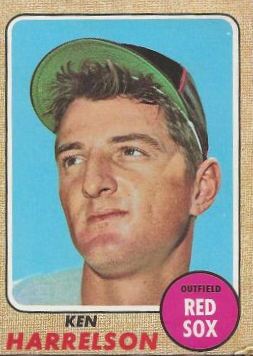
Not believing in Sabermetrics, I think is akin to saying in our business "I don't believe in Big Data."
Well, I'll say it here.
"I don't believe in Big Data."
What I believe is the ingredient to marketing success is what Harrelson believes is the greatest ingredient to baseball success.
TWTW.
The Will To Win.
What makes great work, work that works, is people who make that work work.
It's blowing apart dumbness.
It's exploding hoary rules.
It's throwing out best practices.
And doing something different.
That gets noticed.
That makes an impact.
Technology, big data and all its friends is a parity product.
No one has yet chosen an agency based on the efficiency of their HVAC system. Because they are all the same.
As is data.
What differentiates is TWTW.
Dr. Cohen.

The way Dr. Cohen practices medicine has more in common with how it was practiced in the 1960s than in our heavily industrialized age.
He believes in "laying on hands." In listening. In the "meta" power of humanity as a force stronger than mere technology.
We are all of us--and all our clients, too--about to be victims of a mega-merger. I don't see it making advertising stronger or better or more effective.
What I see are the things that make accounts work--the things that lead to powerful and effective work--they will attempt to wring from the system. Listening to clients, knowing their heart patterns, being intimate with their bloodstream and their desires....there's no room for any of that on a timesheet. It's all so inefficient. Antiquated. Dinosaurish.
What people don't want to wake up and realize is painfully obvious to me. Systems, technologies, software and processes are good for 80% of all cases.
When you get pneumonia, complications, atrial fibrillation and a hosts of other mishegas accompanied by a head-on collision into a concrete wall, I don't want "scale, size and 'efficiency.'"
I want a human.
Hopefully one with insight and compassion.
Who's handled a case like mine before.
Monday, July 29, 2013
My meeting with Maurice Levy.
Years ago when I was an SVP, Group Creative Director on the HP business at Publicis & Hal Riney, I had occasion to meet Maurice Levy.
Hal Riney had been the agency of the 80s and 90s and their iconic building along the Embarcadero in San Francisco stood as a "city on a hill." They did great work that built great brands--that differentiated them and built a soul and personality for them. Saturn. Alamo. Gallo. Bartles & Jaymes.
At the top of the building in a beautiful serif face was a sign that read "Hal Riney." By the time I got there in 2004 they had appended to it "Publicis &".
That appendage seemed to me like adding something to the name of Mickey Mantle. As if when CBS owned the Yankees they mandated that the slugger be called CBS and Mantle. Or Stoneham Mays. Or Yawkey Williams.
One guy knows the game. Is a maestro, the g e n i u s of the diamond. The one people pay to see. The other is a genius of the ledger. A man who can add rows of numbers and make them lie.
CBS Mantle.
Stoneham Mays.
Yawkey Williams.
Publicis Riney.
In short, a sacrilege. An affront. An abomination.
Like paying $200 for opera tickets--to something by Verdi or Rossini or Wagner--something godlike, and getting an ad on that ticket that says "brought to you by Bank of America."
Brought to you by me and my labor and decision to attend. All you did, Bank of Fucking America was bring down the world's economy one $17,000 'executive commode' at a time.
In any event I was running the HP business at Publicis & Hal Riney and doing it fairly alone. There were few account people, and none at a senior level to help me fight the fight.
I am a yeoman and took the business on my broad shoulders and made an impact and progress. But it wasn't enough. Maurice and a henchman came in and we were introduced.
He is a wall-eyed little man in a nice suit with a meringue of salt-and-pepper hair. He came up to my shoulders. We chatted and he said, "You are poonching above your weight. We have gotten you help so you no longer will have to poonch above your weight."
I thought about the French army, Europe's largest in 1940 surrendering to the Nazi's in 41 days. I wish he knew more about poonching above his weight. A lot of Levy's would have been saved along the way.
A few days later a new account guy arrived. A guy I knew from Ogilvy and IBM to help my punches tell. But frankly, it was too little too late and I blew out of Publicis & Hal Riney in just seven months.
I think the world has become an immensely bureaucratized place.
When our armed forces prepares for a mission they do something called "moving the metal mountain."
It is slow. Ungainly. Complex. Wasteful. Enormously expensive and it consumes everything in its wake.
This is our world. Omnipublicom or whatever advertising's newest behemoth--I propose Fucktardipubliom--will not be about a Hal Riney or Maurice or Charles, or Mantle or Mays. It will be about optimization, globalization, standardization and massification.
Individualism, that which brought us to the business in the first place, will be a casualty once again and we will continue regurgitating processed cheese food.
Hal Riney had been the agency of the 80s and 90s and their iconic building along the Embarcadero in San Francisco stood as a "city on a hill." They did great work that built great brands--that differentiated them and built a soul and personality for them. Saturn. Alamo. Gallo. Bartles & Jaymes.
At the top of the building in a beautiful serif face was a sign that read "Hal Riney." By the time I got there in 2004 they had appended to it "Publicis &".
That appendage seemed to me like adding something to the name of Mickey Mantle. As if when CBS owned the Yankees they mandated that the slugger be called CBS and Mantle. Or Stoneham Mays. Or Yawkey Williams.
One guy knows the game. Is a maestro, the g e n i u s of the diamond. The one people pay to see. The other is a genius of the ledger. A man who can add rows of numbers and make them lie.
CBS Mantle.
Stoneham Mays.
Yawkey Williams.
Publicis Riney.
In short, a sacrilege. An affront. An abomination.
Like paying $200 for opera tickets--to something by Verdi or Rossini or Wagner--something godlike, and getting an ad on that ticket that says "brought to you by Bank of America."
Brought to you by me and my labor and decision to attend. All you did, Bank of Fucking America was bring down the world's economy one $17,000 'executive commode' at a time.
In any event I was running the HP business at Publicis & Hal Riney and doing it fairly alone. There were few account people, and none at a senior level to help me fight the fight.
I am a yeoman and took the business on my broad shoulders and made an impact and progress. But it wasn't enough. Maurice and a henchman came in and we were introduced.
He is a wall-eyed little man in a nice suit with a meringue of salt-and-pepper hair. He came up to my shoulders. We chatted and he said, "You are poonching above your weight. We have gotten you help so you no longer will have to poonch above your weight."
I thought about the French army, Europe's largest in 1940 surrendering to the Nazi's in 41 days. I wish he knew more about poonching above his weight. A lot of Levy's would have been saved along the way.
A few days later a new account guy arrived. A guy I knew from Ogilvy and IBM to help my punches tell. But frankly, it was too little too late and I blew out of Publicis & Hal Riney in just seven months.
I think the world has become an immensely bureaucratized place.
When our armed forces prepares for a mission they do something called "moving the metal mountain."
It is slow. Ungainly. Complex. Wasteful. Enormously expensive and it consumes everything in its wake.
This is our world. Omnipublicom or whatever advertising's newest behemoth--I propose Fucktardipubliom--will not be about a Hal Riney or Maurice or Charles, or Mantle or Mays. It will be about optimization, globalization, standardization and massification.
Individualism, that which brought us to the business in the first place, will be a casualty once again and we will continue regurgitating processed cheese food.
Saturday, July 27, 2013
Home.
I made it home a couple hours ago, thanks to the good, tolerant graces of my wife and a young doctor, who took me under her wing at the hospital.
For all the advances of medical technology, a hospital is a painful place to be sick. And, like the old "Tootsy Frootsy Ice Cream scene" with Chico and Groucho in "A Day at the Races," if you don't like the diseases you have, we'll make up some new ones for you.
Pursuant to that young doctor, she made me think a little about advertising.
We have become in the world corporations.
We protect and serve the corporation.
And the corporation proscribes our behaviors.
Mostly that means work is done slowly, mundanely, and by committee. With more check ins than are humanly bearable.
That way, out the other end, comes just what you'd expect.
A corporate turd.
Every so often, however, someone breaks or ignores that corporate, almost Soviet morass. And smiles and perseveres and prevails.
Our systems in so many ways are so broken.
Everything from phone service to airlines to hospitals to agencies has been motor-vehicleized.
We need to find a way through this.
-
I any event, I am home now.
Thanks for all the kind wishes.
For all the advances of medical technology, a hospital is a painful place to be sick. And, like the old "Tootsy Frootsy Ice Cream scene" with Chico and Groucho in "A Day at the Races," if you don't like the diseases you have, we'll make up some new ones for you.
Pursuant to that young doctor, she made me think a little about advertising.
We have become in the world corporations.
We protect and serve the corporation.
And the corporation proscribes our behaviors.
Mostly that means work is done slowly, mundanely, and by committee. With more check ins than are humanly bearable.
That way, out the other end, comes just what you'd expect.
A corporate turd.
Every so often, however, someone breaks or ignores that corporate, almost Soviet morass. And smiles and perseveres and prevails.
Our systems in so many ways are so broken.
Everything from phone service to airlines to hospitals to agencies has been motor-vehicleized.
We need to find a way through this.
-
I any event, I am home now.
Thanks for all the kind wishes.
Friday, July 26, 2013
I'm fine.
One of the biggest issues in my life--and it has been for 55 years, is that "I am fine."
I take a lot of shit on.
I do a lot.
You can throw crap my way and I handle it.
I am fine.
On the weekend, I was not fine. And by the time Monday rolled around I was the apotheosis of unfine.
But I traipsed out to Minnesota to sell a campaign.
My agency needed me to.
My client needed me to and "I would be fine."
Even after the car accident Monday night I said to the ambulance driver, "I'm fine."
I just wanted to get home and see my visiting daughter,
Well, now I have been in the hospital since Wednesday.
And am only now approaching fine.
I won't pyschoanalyze here my need to provide, come through, be fine.
I can only promise to try a little less hard.
And I'll probably be fine.
I take a lot of shit on.
I do a lot.
You can throw crap my way and I handle it.
I am fine.
On the weekend, I was not fine. And by the time Monday rolled around I was the apotheosis of unfine.
But I traipsed out to Minnesota to sell a campaign.
My agency needed me to.
My client needed me to and "I would be fine."
Even after the car accident Monday night I said to the ambulance driver, "I'm fine."
I just wanted to get home and see my visiting daughter,
Well, now I have been in the hospital since Wednesday.
And am only now approaching fine.
I won't pyschoanalyze here my need to provide, come through, be fine.
I can only promise to try a little less hard.
And I'll probably be fine.
Subscribe to:
Posts (Atom)